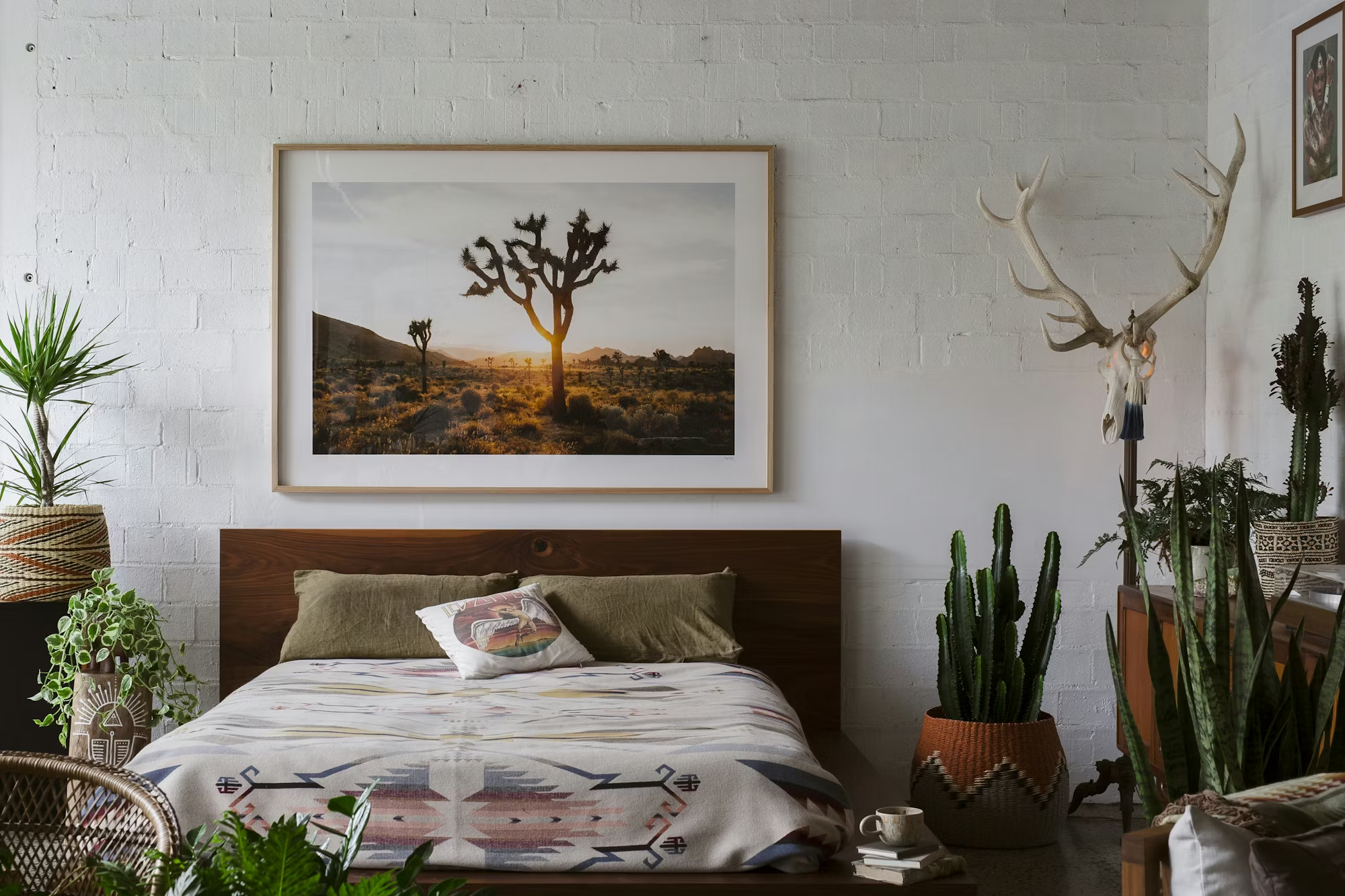
In a world filled with constant stimulation and distractions, the idea of minimalism has gained significant traction, especially in home design. Embracing minimalism in your bedroom can create a serene sanctuary that promotes relaxation and rejuvenation. By focusing on simplicity, functionality, and intentional design, you can transform your bedroom into a peaceful retreat. In this article, we will explore the principles of minimalist bedroom design and provide practical tips to help you achieve a calming atmosphere.
Understanding Minimalism
Minimalism is more than just a design style; it’s a lifestyle choice that emphasizes simplicity, intentionality, and the reduction of excess. In the context of bedroom design, minimalism encourages us to declutter our spaces and focus on the essentials, allowing for greater peace of mind and a clearer focus. A minimalist bedroom is characterized by clean lines, a neutral color palette, and a purposeful arrangement of furniture and decor.
To begin your journey into minimalism, consider what truly matters to you in your bedroom. This process involves evaluating your possessions, identifying what brings you joy or serves a purpose, and letting go of the rest. By simplifying your environment, you create a space that not only looks aesthetically pleasing but also enhances your overall well-being.
1. Decluttering: The First Step
The first step toward creating a minimalist bedroom is decluttering. Start by going through your belongings and assessing each item’s importance. Ask yourself questions like: Do I use this? Does it bring me joy? If the answer is no, it might be time to part with it.
Focus on one area at a time, such as your closet, nightstands, or dresser. Sort items into categories: keep, donate, recycle, and discard. This approach prevents feeling overwhelmed and allows you to see progress as you clear out unnecessary items. A well-organized space can significantly enhance your bedroom’s ambiance, making it feel more open and inviting.
2. Embracing a Neutral Color Palette
A key element of minimalist design is a neutral color palette. Soft whites, gentle grays, and muted earth tones create a soothing backdrop that fosters relaxation. These colors can make a room feel airy and spacious, contributing to a serene atmosphere.
When choosing your color scheme, consider using varying shades of the same color to add depth without introducing visual clutter. For instance, light gray walls can be paired with darker gray bedding and lighter gray accessories. This monochromatic approach allows for a cohesive look while still maintaining interest and warmth.
3. Selecting Functional Furniture
In minimalism, furniture serves both a functional and aesthetic purpose. Opt for pieces that are simple in design yet versatile. A low-profile bed frame with built-in storage can reduce clutter while maintaining a sleek appearance. Nightstands with drawers or shelves can provide additional storage without taking up too much space.
When selecting furniture, prioritize quality over quantity. Invest in timeless, durable pieces that will last for years. Consider multifunctional items, such as a bench that serves as both seating and storage or a desk that can double as a vanity. This approach maximizes your space while ensuring everything has a purpose.
4. Creating a Calm Atmosphere with Lighting
Lighting plays a crucial role in establishing a calming atmosphere in your minimalist bedroom. Aim for a combination of natural and artificial lighting to create a warm and inviting space. Start by maximizing natural light; use sheer curtains to allow sunlight to filter in while maintaining privacy.
Incorporate soft, ambient lighting with fixtures such as table lamps, wall sconces, or string lights. Dimmable options give you control over brightness, allowing you to adjust the mood according to the time of day. Consider adding a few candles for a soft glow, creating a cozy environment perfect for relaxation.
5. Choosing Simple Textiles
Textiles can add comfort to your minimalist bedroom without overwhelming the senses. Choose bedding and curtains made from natural fabrics like cotton, linen, or bamboo, which offer breathability and a clean look. Stick to solid colors or simple patterns that align with your neutral palette, allowing for easy coordination.
When layering textiles, focus on texture rather than pattern. A knitted throw blanket or a plush rug can add warmth and coziness while maintaining a minimalist aesthetic. Keep pillows to a minimum, opting for a few essential pieces that provide comfort without cluttering the space.
6. Incorporating Nature
Bringing elements of nature into your bedroom can enhance its tranquility and beauty. Consider adding houseplants, which not only improve air quality but also introduce a refreshing touch of greenery. Low-maintenance plants like succulents or snake plants are perfect for minimalist spaces, as they require minimal care while adding life to the room.
Natural materials such as wood, stone, and wicker can also contribute to a calming environment. Consider wooden furniture, stone accents, or woven baskets for storage. These elements create a connection to nature, promoting relaxation and harmony in your space.
7. Mindful Decor Choices
In a minimalist bedroom, less is truly more when it comes to decor. Choose a few carefully curated pieces that resonate with you personally, whether it’s artwork, photographs, or decorative objects. Aim for simplicity and intentionality in your choices.
For wall art, consider large-scale pieces that make a statement without overwhelming the space. A single, bold painting or a collection of black-and-white photos can add character while maintaining a clean look. Remember, each item should serve a purpose or bring you joy, aligning with the principles of minimalism.
8. Maintaining Organization
Once you’ve created a minimalist bedroom, maintaining organization is key to preserving its tranquility. Develop a routine for decluttering and tidying up your space regularly. Make it a habit to assess items periodically and remove anything that no longer serves you.
Utilize storage solutions that promote organization, such as decorative boxes or baskets. Keep surfaces clear of unnecessary items, allowing the room to feel open and airy. A daily tidying ritual can help you stay on top of clutter, ensuring that your serene sanctuary remains a peaceful retreat.
9. Creating a Relaxation Zone
Designating a specific area in your bedroom for relaxation can enhance the overall atmosphere. This could be a cozy reading nook with a comfortable chair and good lighting, or a small meditation space with cushions and calming decor. This dedicated zone encourages you to unwind and recharge, reinforcing the bedroom’s purpose as a sanctuary.
Consider adding calming elements such as essential oil diffusers, soft music, or a small bookshelf filled with your favorite reads. By creating a designated relaxation area, you foster a peaceful environment that promotes mindfulness and well-being.
10. Personalizing Your Space
While minimalism emphasizes simplicity, it’s important to infuse your personality into your bedroom. Personal touches help create a sense of belonging and warmth. Incorporate items that hold sentimental value, such as travel souvenirs or cherished gifts, to make the space uniquely yours.
Keep personalization subtle; a few well-placed items can speak volumes without cluttering the space. Consider creating a gallery wall with a few favorite photos or artworks, allowing for self-expression while maintaining a clean aesthetic.
Conclusion
Embracing minimalism in your bedroom design can lead to a more peaceful and rejuvenating environment. By focusing on decluttering, choosing a neutral color palette, selecting functional furniture, and incorporating nature, you can create a serene sanctuary that enhances your overall well-being. Remember, minimalism is not about deprivation; it’s about creating a space that truly reflects your values and supports your lifestyle. As you embark on your minimalist journey, let simplicity guide your choices, resulting in a bedroom that inspires tranquility and harmony.